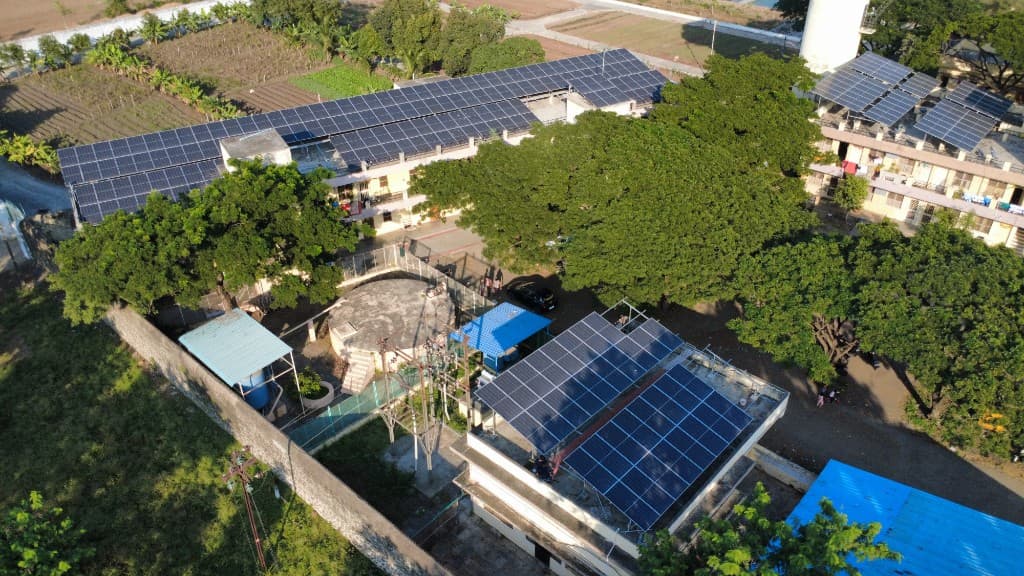
Factory rooftop PV
Industrial rooftop solar built for factory sheds
Industrial rooftop solar turns production sheds, warehouses, and utility buildings into generation assets that match daytime plant loads. Rolling Energy specializes in C&I rooftop EPC—structural due diligence, waterproofing-aware mounting, electrical integration, and commissioning that plant teams can trust.
Roofs are available—but industrial rooftop solar is not plug-and-play
Many factories have large metal or RCC roofs ideal for PV, yet projects stall on structural uncertainty, leak risk, cable tray conflicts, or fear of production disruption. Cheap layouts that ignore purlin capacity, thermal expansion, or walkway access create long-term integrity and safety problems.
- Long-span roofs need verified load paths before module density is fixed
- Waterproofing and sheet replacement must be sequenced with mounting
- Electrical rooms and LT panels often need upgrades for PV injection
Why rooftop generation fits industrial daytime loads
Factory electricity demand typically rises with morning shift start and tracks production through the day—overlapping strongly with solar irradiance. High self-consumption reduces export complexity and improves project economics versus oversized systems that dump power into constrained grids.
- Motors, compressors, and utilities dominate daytime kWh
- Lunch and shift changes create short dips useful for design checks
- Night loads remain on grid or DG unless storage is added later
Maximizing usable rooftop capacity
We optimize module placement around skylights, vents, HVAC, and roof access while preserving maintenance corridors. Where a single roof cannot host the full target, multi-building arrays share a coordinated interconnection strategy so the plant sees one coherent energy asset.
- Contiguous arrays on production and warehouse roofs
- Phased capacity as sheds are refurbished or expanded
- Captive self-consumption prioritized over speculative export
Rooftop solar with optional storage
If export is limited or demand charges dominate the bill, a rooftop-solar-plus-BESS study can evaluate shifting midday generation into late-shift peaks. Storage is sized from interval data and plant operating rules—not module count alone.
Structure-first rooftop engineering
Design packages include structural assessment, module layout, SLD, stringing, earthing, lightning protection, and inverter / AC combiner locations chosen for serviceability. We specify walkways and fall-protection interfaces so O&M crews can work safely for the life of the plant.
- Purlin and sheet compatibility checks before procurement
- Cable routes that avoid process interference and water paths
- DC:AC ratios tuned for industrial irradiance and clipping risk
Rooftop economics grounded in bills
Industrial rooftop ROI depends on self-consumption, tariff slabs, and whether CAPEX or RESCO fits the balance sheet. We present generation estimates with clear assumptions and financing options so plant finance and engineering can decide together.
- CAPEX ownership vs RESCO / PPA comparison
- Sensitivity to soiling, monsoon, and plant utilization
- Green loan and accelerated depreciation pathways where applicable
Installation that protects the roof and the plant
Site execution emphasizes sheet integrity, debris control, and electrical isolation procedures. Rolling Energy runs industrial rooftop projects with quality gates on structure torque, cable management, insulation resistance, and commissioning tests before handover.
- Shutdown-aware work planning with plant EHS
- Module and BOS logistics staged to minimize roof traffic
- Net-metering or captive interconnection support
Keeping rooftop plants available year-round
Dust, bird soiling, and monsoon moisture drive industrial rooftop underperformance. O&M includes cleaning cycles, drainage checks, inverter servicing coordination, and remote monitoring so generation shortfalls are caught early.
- String-level visibility for fast fault isolation
- Roof walkdown checklists after extreme weather
- Performance reporting for plant energy KPIs
FAQs
Questions industrial and commercial buyers ask
How do you know if my factory roof can take solar?+
Through structural assessment of sheets, purlins, and frames—plus waterproofing review. We do not finalize module density until load paths and roof condition are understood.
Will rooftop solar cause leaks?+
Leak risk comes from poor detailing, not from PV itself. Correct mounting, sealing practices, and cable penetrations are part of our EPC scope and quality checks.
Can we install during production?+
Many DC structural and module works can proceed with controlled access, while certain AC tie-ins need planned outages. We sequence tasks with your production calendar.
What happens if we expand the shed later?+
We can design with spare inverter / AC capacity and cable routes for phased blocks, or plan a second array on the new roof with a coordinated interconnection.
Is industrial rooftop solar different from commercial rooftop?+
Yes—industrial roofs, load profiles, EHS rules, and HT/LT interfaces are typically more demanding. Our designs assume factory duty, not office aesthetics alone.
Ready to evaluate solar or Solar + BESS for your site?
Share your tariff, load profile, and site constraints. Our C&I team responds with next steps for survey, modeling, and commercial options.