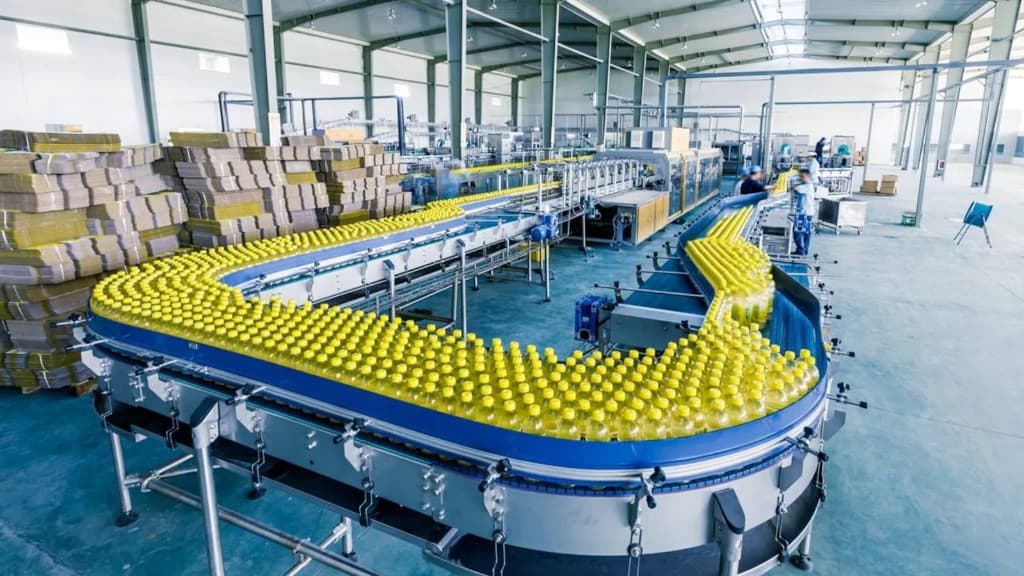
Food & beverage processing
Solar for food processing plants with energy-intensive lines
Food processing units combine process equipment, utilities, and often refrigeration—driving high daytime electricity use. Rolling Energy delivers solar for food plants with hygiene-aware site practice, load-matched design, and credible carbon accounting for supply-chain partners.
Food processors face energy intensity and buyer ESG pressure
Motors, boilers auxiliaries, packaging lines, HVAC, and cold rooms inflate power costs. Modern retail and export buyers ask for renewable electricity evidence. Rooftops may be constrained by hygiene access rules, exhausts, and seasonal production swings that change self-consumption.
- Seasonal campaigns alter monthly solar utilization
- Hygiene zoning restricts casual roof traffic
- Cold utilities can dominate the electrical bill
Food plant energy building blocks
Process lines, compressed air, pumps, and packaging create daytime demand; refrigeration and cold storage add flatter baseload. Mapping which loads are daytime-flexible versus continuous determines solar sizing and whether BESS deserves a study.
- Batch processing with distinct campaign peaks
- Utilities that run between production batches
- Cold rooms as high-intensity continuous consumers
Load-matched solar for process campuses
Rooftop PV offsets daytime process and utility energy. Multi-building food campuses can phase arrays across production, packaging, and warehouse roofs. Captive models support long-term cost control; open access can fill gaps for large HT consumers.
- Right-sizing for seasonal utilization—not peak month alone
- Warehouse and utility roofs as preferred PV hosts
- Supply-chain-ready generation reporting
Storage for peaks and cold-adjacent loads
Where demand charges or evening refrigeration peaks matter, solar-plus-BESS can be evaluated. Cold-intensive sites especially benefit from data-led peak studies before storage CAPEX.
Hygiene-conscious industrial design
Cable penetrations, access routes, and material staging respect food safety zones. Structural and waterproofing details protect production buildings that cannot afford leak-related contamination risk.
- Mounting and sealing standards for food facility roofs
- Electrical rooms kept clean and serviceable
- Monitoring for plant energy and sustainability teams
Food industry solar economics
We model savings against real bills and production calendars. CAPEX and RESCO options are compared so promoters and CFOs can align funding with working-capital realities of seasonal businesses.
EPC timed to production campaigns
Installation windows respect peak processing seasons where possible. Rolling Energy coordinates with plant managers so critical campaigns are not compromised by roof logistics.
O&M through dust, monsoon, and campaign cycles
Cleaning frequency and electrical PM adapt to local soiling and production calendars. Performance reviews help plants explain renewable contribution to buyers.
FAQs
Questions industrial and commercial buyers ask
Can solar help if our production is highly seasonal?+
Yes, but sizing must reflect annual utilization—not only peak season. We model campaign calendars so capacity is not stranded in off months.
Are food plant rooftops suitable for solar?+
Many are, subject to structural, hygiene access, and exhaust constraints. Survey determines usable area and method statements.
How do we report solar for customer ESG requests?+
Metered generation and clear allocation to the consuming entity support credible disclosures. We provide monitoring access and documentation for your sustainability team.
Should food plants consider BESS with solar?+
When refrigeration peaks or demand charges are material, yes—after interval-data study. It is optional, not automatic.
Do you work with cold storage attached to processing?+
Yes. Integrated process-plus-cold sites are common; we design for the combined load profile.
Explore further
Related solutions and tools
Ready to evaluate solar or Solar + BESS for your site?
Share your tariff, load profile, and site constraints. Our C&I team responds with next steps for survey, modeling, and commercial options.